


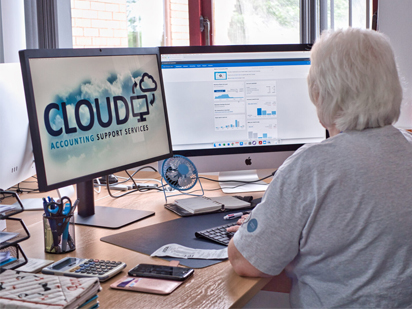
Some business owners prefer to do bookkeeping themselves, but DIY bookkeeping is often easier said than done. Not all business owners are professional bookkeepers, but somehow they manage and power through it. It might seem to go easy in the beginning, but you will only realise the consequences when you face errors when your accountant comes to complete the compliance tasks such as filing your year-end.
Why Bookkeeping is Significant?
Accounting is a serious part of any business. All your accounting greatly relies upon your books. If the books are not accurate, it directly affects the credibility of your records. Inaccurate records may pull up lots of tax penalties. You need to maintain good records to get your accounts signed off.
Hopefully, you will be using accounting software like Xero to keep tabs on your accounting already. However, these software tools work with the numbers you feed in them. If your books are not organised, you cannot expect the automation tool to do accounting accurately. To avoid tax penalties – clean and organised books are the only way. So, to keep forward and to improve margins, you must take bookkeeping seriously and work on it.
If you are a frustrated DIY bookkeeper business owner this article is right for you. There are some bits of bookkeeping basics to help. Below are five proven bookkeeping tips to help keep your books on sound footing.
Tip #1 – Get things done easier with automation
Some years back, automation was only reserved for big companies. But today, over half of all businesses have automated workflows from customer management, marketing to collaboration tools to use within teams. In such a scenario, you can automate your bookkeeping, so that your numbers flow intact into your accounting software.
Manual bookkeeping is however prone to errors and eats up a lot of time and energy. But automation tools can keep tabs on your books and maintain the records with unrivalled accuracy and speed. If you are using Xero for your business accounting, you must have a look at Dext, an intuitive automation tool that can sync your online and hardcopy paper receipts into Xero automatically.
Tips #2 – Follow up on Money owed to you and due to your suppliers
Whatever done or undone, you must always stay on top of your payables and receivables and take required actions accordingly. You will get a better overview of your business finances and the near future cash flow status of your business. With this analysis at hand, you can foresee your cash flow and correct any trends before they glide out of your hand.
Payables – Accounts Payable is also a type of short-term debt. It is the money you owe to the suppliers who keep your business running. Delinquent payables can affect your credit rating and restrict your access to bank loans and credit from suppliers. So, prioritise paying off your APs as soon as you can to produce an accurate balance sheet and keep your credit score up.
Receivables – Sending an invoice to a customer does not mean that you will be paid right away. There are some late-paying customers who need a constant nudge to respond to your invoice. If they can’t pay your invoice on the whole at a time, you can even get partial payment at regular intervals. Cloud accounting software can help set up automatic payment options, reminders and chasing emails to your clients to support your healthy cash flow.
Tip #3 – Give your books a weekly and quarterly review
Don’t let it mount up! No matter if you are a DIY bookkeeper, or you have an automation tool for bookkeeping, or you may even have a bookkeeper, you must always invest some time reviewing the numbers. This greatly helps you to know what is actually going on with your money. And weekly reports can always keep you on track, even when things are getting messy. With weekly reports, you will know the status of your cash flow almost immediately and so you can plan accordingly. Reports and reviews at regular intervals keep you organised and informed.
Tip #4 – Keep your business and personal expenses separate
Mingling your personal expenses with that of business is the most common mistake business owners makes. This might seem trivial in the beginning, but it will pull up huge headaches during reconciliations and tax filing. Whether you have a start-up or you are a freelancer, getting a business card as soon as you plan for setting up a business is important. This will also help you with credit lines.
Most business owners usually have a business card. The mess arises when you start using your personal card for business expenses, assuming to compensate later. The same happens vice versa at times. That is not the way it should work. Always carry both your business and personal cards wherever you go and never interchange the expenses. Separate expenses make your bookkeeping task way easier and with de-cluttered books, you will not have to over-exert on the reconciliation part.
Tip #5 – Avoid Cash
People now prefer paying online and are more comfortable and you can’t use cash online. Online transactions make your bookkeeping easier. You need not chase your receipts and invoices. With online payments, you will know the exact amount and even the place and time of payment. With these, there are no chances of losing records of purchase.
Bottom Line
Keeping your financial records straight simply makes sense.
If you need support with your bookkeeping give us a call – We will NEVER subcontract your bookkeeping out of our dedicated in-house team. All of our staff are trained and dedicated bookkeepers and we are proud to be certified by the Institute of Certified Bookkeepers.