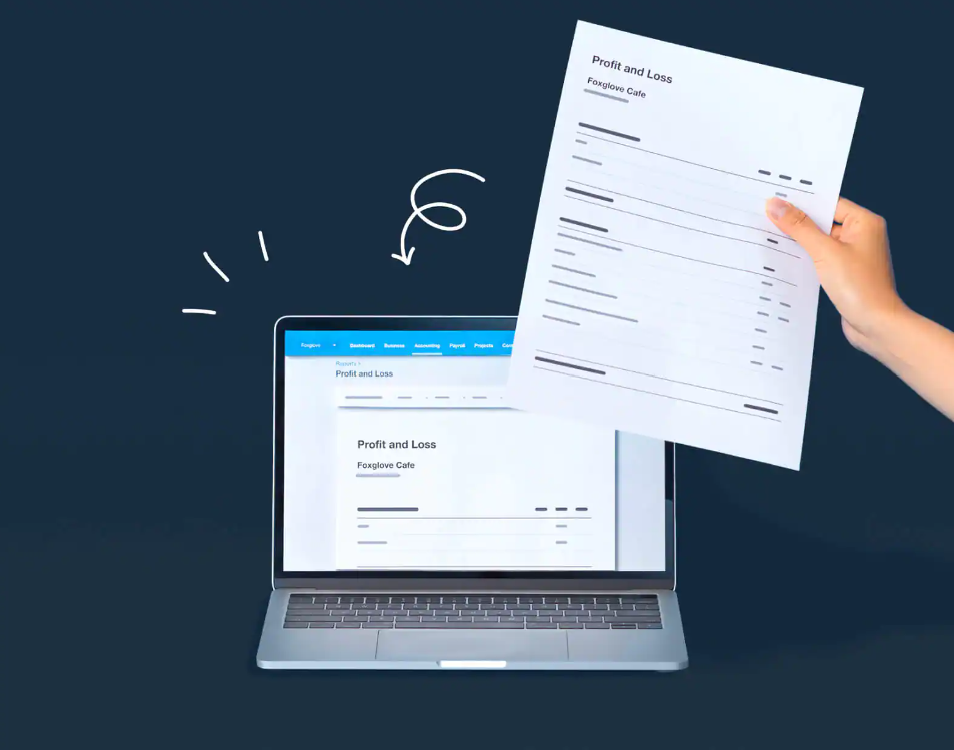
New Year, New Financial Clarity: Cleaning Up Your Xero for Business Success

As we eagerly step into 2024, it’s the perfect moment to declutter and revitalise our financial landscape. For businesses leveraging Xero, the start of the year provides a golden opportunity to tidy up your accounts, gain valuable insights, and set the stage for a year of financial success.

  1. Review and Reconcile: A Fresh Start

Begin your financial cleanup by reviewing and reconciling your accounts. Ensure that all transactions are accurately recorded, and bank statements align with your Xero records. Addressing any discrepancies now sets the foundation for reliable financial reporting throughout the year.

  1. Update Contacts and Inventory: Reflect Your Current Reality

Business relationships evolve, and so should your contact information. Take the time to update and clean your contact list within Xero. Additionally, if your business involves inventory, ensure that your stock levels and product details are accurate, reflecting your current business reality.

  1. Evaluate and Set New Goals: Align Your Finances with Your Vision

The new year is an opportune time to reassess your financial goals. Evaluate your past performance, identify areas for improvement, and set new, realistic financial objectives for the upcoming year. Use Xero’s reporting tools to gain insights that will guide your strategic decision-making.

  1. Maximise Xero Features: Leverage the Full Toolkit

Xero offers a suite of features beyond basic bookkeeping. Explore and leverage advanced functionalities such as budgeting, forecasting, and financial analysis. Unleashing the full potential of Xero transforms it from a mere accounting tool into a strategic asset for your business.

  1. Educate Your Team: Foster Financial Literacy

A new year also marks a new opportunity to enhance financial literacy within your team. Consider organising training sessions to ensure that your team members are well-versed in utilising Xero effectively. This not only promotes accurate data entry but also empowers your team to actively contribute to financial success.

  1. Review any of the Xero “App Eco-system” to see if there are complimentary apps that can improve the automation within your business and redeploy hours spent doing data entry into data analysis tasks which will help you grow.

Conclusion: A Year of Financial Empowerment

Cleaning up your Xero at the start of the year isn’t just a routine task; it’s an investment in the clarity, efficiency, and success of your business. As you navigate through this cleanup process, envision a year where your financial numbers not only make sense but also propel your business towards new heights of prosperity.

Clean up your Xero, make sense of your business numbers, and embrace the journey towards a financially robust and successful year ahead. If you need any help with the clean-up, bookkeeping training or consolidation you know where we are.

INTERVIEW with Adrian Kibbler

ONE of the things that I loves doing is meeting all kinds of businesses of different shapes and sizes. It gives me a chance to learn and can also provide a lift, especially at a time when we are not exactly drowning in good news.

This week was one such occasion when I visited Paul Barnes and his team at Cloud Accounting Support Services in Tamworth.

This is a business that started from a front room and has grown to seven people operating from its office premises on the outskirts of the town.

Paul fell into accountancy after a professional footballing career did not work out. He was a goalkeeper with two clubs before making the switch.

Having qualified and worked in a number of businesses Paul set up on his own and has expanded with clients all over the country.

Whilst CASS can provide a full range of accounting services it is as much a technology as an accountancy business. It helps businesses to take advantage of the various accountancy software systems that are available. This includes implementation and training.

Digital record keeping and filing is become ever more important as HMRC change its requirements, adding to the pressures, especially upon small businesses.

The business is happy to work with your existing accountant.

Other services include Credit Control from invoicing and the issue of reminders to as a last resort debt recovery working with a legal partner.

The photograph shows me (Adrian Kibbler) talking to Paul whilst Lottie runs her eye over some numbers.

MTD for ITSA: The Landlord’s Guide

Making Tax Digital for Income Tax Self-Assessment (MTD for ITSA) is a UK government initiative aimed at simplifying and modernising the way individuals, including landlords, report and pay their income tax. If you’re a landlord, you’ll need to be aware of the changes and requirements coming into effect before April 2024. Here are the facts and recommendations you should know:

Facts:

  1. Scope: MTD for ITSA applies to individuals with income from property, which includes landlords who rent out residential or commercial properties.
  2. Start Date: MTD for ITSA is scheduled to start in April 2024. From that point onward, landlords must maintain digital records and submit digital tax returns to HMRC using compatible software.
  3. Digital Record-Keeping: Landlords are required to maintain digital records of their rental income, expenses, and other relevant financial data. These records should be kept digitally for at least six years.
  4. Quarterly Reporting: Under MTD for ITSA, landlords must submit a summary of their income and expenses on a quarterly basis through their digital tax accounts. This will be in addition to the final year-end declaration.
  5. Tax Account: You will need to have an HMRC online tax account and use compatible accounting software to participate in MTD for ITSA.

Recommendations:

  1. Prepare Digitally: Start using digital accounting software or tools to keep track of your rental income and expenses. There are several accounting software options available, but we recommend Xero in most cases. Using Xero can make it easier to comply with MTD for ITSA.
  2. Familiarise Yourself: Understand how MTD for ITSA works, the deadlines for quarterly reporting, and the requirements for digital record-keeping. HMRC offers guidance and resources to help you get ready.
  3. Choose Compliant Software: Ensure that the accounting software you use is compatible with MTD for ITSA. Check with your software provider to confirm compatibility.
  4. Maintain Accurate Records: Keep detailed and accurate records of your rental income and expenses. This will help you report your income accurately and minimise tax liabilities.
  5. Consult a Tax Advisor or your Accountant: If you’re unsure about how these changes affect your specific situation, it’s a good idea to consult a tax advisor or accountant who can provide guidance and ensure you’re in compliance.
  6. Stay Informed: Keep up to date with any changes or updates regarding MTD for ITSA. HMRC may release new information and guidance as the implementation date approaches.
  7. Budget for Compliance: Consider any potential additional costs associated with using accounting software and complying with the new requirements in your budget planning.

Remember that MTD for ITSA is part of the UK government’s broader efforts to streamline tax reporting and reduce errors. Being proactive and prepared for these changes will help you avoid penalties and make your tax reporting more efficient. It’s advisable to start the transition to digital record-keeping and reporting well in advance of the April 2024 deadline.

If you need some help or have any questions don’t hesitate to get in touch with our team as we can definitely help.

01827 780550

info@cass-online.co.uk

Image by macrovector_official on Freepik

Paul Joins Xero’s Birmingham Roadshow

Paul Barnes, Managing Director at Cloud Accounting Support Services, Joins Xero’s Birmingham Roadshow

On the 7th of November our Managing Director, Paul Barnes will take center stage at Xero’s Birmingham roadshow. This event is a much-anticipated gathering of accounting and bookkeeping professionals, and it promises to be a knowledge-sharing extravaganza for all attendees.

A Spotlight on Paul Barnes:

Paul Barnes is a well-respected figure in the world of accounting and finance. His journey through the industry has been nothing short of inspiring. With years of experience and a dedication to advancing the field with technology, he has not only grown his own business but has also been instrumental in helping countless clients succeed.

As the Managing Director of Cloud Accounting Support Services, Paul Barnes has seen the transformative power of cloud-based accounting solutions. His expertise and insight have not only guided his clients but have also become invaluable in sharing industry knowledge.

The Event:

The Xero Birmingham Roadshow, scheduled for the 7th of November, will provide a platform for professionals like Paul to share their expertise and experiences. One of the most anticipated sessions of the day is the “Top Tips to Help Your Clients Succeed,” scheduled from 16:30 to 16:50.

In this session, Paul Barnes will be part in a panel of accountants and bookkeepers. They will delve into the strategies and tactics they deploy to better support their clients. More importantly, they will share the remarkable successes they have achieved along the way.

The panel discussion promises to be a treasure trove of insights for both seasoned professionals and those new to the field. Attendees can expect to gain fresh perspectives on how to enhance client support, streamline accounting processes, and drive business success.

Key Takeaways:

  1. Cloud-Based Accounting: As the Managing Director of a company that specialises in cloud-based accounting support, Paul will likely emphasise the importance of embracing technology. Cloud accounting solutions have revolutionised the industry, making financial data more accessible and secure.
  2. Client-Centric Approach: Paul and the panel of experts will discuss the client-centric approach to accounting and bookkeeping. Tailoring services to meet the unique needs and goals of clients is a crucial element.
  3. Success Stories: The panel will share their experiences and real-world success stories, illustrating how their strategies and tactics have led to tangible results. These anecdotes will serve as inspirational examples for attendees.
  4. Networking Opportunities: Beyond the session, the Xero Birmingham Roadshow offers excellent networking opportunities. Attendees can connect with like-minded professionals, fostering valuable relationships that can lead to collaboration and future growth.

This event is not to be missed for anyone looking to excel in the field of accounting, bookkeeping and finance.

Get your free ticket and find out more information by clicking here.

Cracking the code: Unlocking Payroll and Payments

We know how hard accountants work to get payroll and payments right for their clients. This is why we support your accountant to get payroll and bookkeeping bang on, to make your life easier.

This is why our MD, Paul Barnes, has been invited as a guest speaker on an up and coming seminar hosted by citrus HR. He will explain how Cloud Accounting Support Services bookkeeping part of the business has benefited from using citrus HR and Telleroo integrations.

When?

Date: 5th October

Time: 11am


So, what can you expect to learn in this digital seminar?

1. Kick-off: Paint the Picture
Starting by sharing some of the common challenges accountants face when it comes to payroll and client payments.

2. Show and Tell: Telleroo + citrus HR in Action
Next up, dive into the nitty-gritty of both systems and show how they dance together seamlessly.

3. Paul’s Expertise: Thoughts on the Integration
Paul will talk about the integration.

4. Let’s Chat: Q&A Session
Then wrap things up with an interactive Q&A where attendees can ask Paul any questions and get further insight.

Sounds of interest? Why not click here to sign up and secure your place today?

Image by storyset on Freepik

Are you currently using SAGE Line 50 accounting software?

Are you currently using SAGE Line 50 accounting software? Let’s look at the pros and cons.

Pros of SAGE accounting software:

  • Feature-rich: SAGE offers a comprehensive set of features for various accounting needs, including invoicing, payroll, inventory management, and financial reporting.
  • User-friendly interface: SAGE is known for its user-friendly interface, making it relatively easy for businesses to navigate and utilise the software effectively.
  • Scalability: SAGE offers different versions and packages to suit the needs of various businesses, making it scalable as the company grows.
  • Integration: It integrates with a wide range of third-party applications, enhancing its functionality and adaptability to different business ecosystems.

Cons of SAGE accounting software:

  • Cost: SAGE accounting software can be expensive, especially for small businesses and startups, which may find the pricing prohibitive.
  • Complexity: While SAGE aims to be user-friendly, some users might still find the software complex to set up and operate, requiring additional training.
  • Limited cloud capabilities: In the past, SAGE’s cloud-based offerings were limited compared to some modern cloud-native accounting solutions.
  • Not a perfect fit for all businesses: Depending on a business’s unique needs and industry-specific requirements, SAGE might not be the best fit for every organisation.

Considering the potential drawbacks, it might be worthwhile for businesses to explore other accounting software options if they find SAGE to be expensive or unsuitable for their needs. There are several excellent accounting software alternatives available in the market, including QuickBooks, Xero, among others. Businesses should carefully evaluate their requirements and budget constraints before making a decision.

If you know people who are currently using SAGE accounting software and are facing challenges with it, it might be helpful to share the pros and cons and suggest they consider other accounting software alternatives. This can assist them in making an informed decision on whether to continue using SAGE or explore other options that better suit their needs.

Growing Your Bookkeeping Practice: Transitioning from Hourly Rates to Fixed Rates for Enhanced Efficiency and Value

Introduction

Bookkeeping is a critical aspect of maintaining financial records and ensuring accurate and up-to-date financial information for businesses. As bookkeepers, our role goes beyond simply recording transactions. We play a vital role in providing valuable insights to both businesses and their accountants.

In this article, I explore the benefits of moving away from charging hourly rates to adopting a fixed-fee model for bookkeeping services. Additionally, I will discuss how effective bookkeeping enables accountants to maximise the potential of financial data for their clients.

The Shift to Fixed Fees

Traditionally, bookkeepers have charged clients based on the number of hours worked. However, this approach often leads to uncertainties in cost and may discourage potential clients from seeking professional bookkeeping services. By transitioning to a fixed-fee model, you can provide clients with greater predictability and transparency in pricing, allowing them to better manage their finances.

Benefits of Fixed-Fee Bookkeeping

Predictable Costs for Clients

Fixed-fee bookkeeping allows clients to have a clear understanding of the fees associated with our services upfront. This enables them to plan their budgets effectively and avoid unexpected costs. By offering a flat fee, you provide a sense of stability and promote a stronger client-bookkeeper relationship.

Incentive for Efficiency and Innovation

When billing hourly, there may be a temptation to stretch out work hours, resulting in inefficiency. However, with fixed-fee bookkeeping, it provides an inherent incentive to streamline processes and complete tasks more efficiently. This can lead to increased productivity and improved profitability for your bookkeeping firm.

Value-Based Pricing

By adopting a fixed-fee model, you can focus on the value you provide to clients rather than the hours spent on a task. This allows you to showcase the expertise and insights you bring to the table, thereby justifying the cost of your services. Clients will appreciate the comprehensive support and actionable advice they receive, reinforcing the importance of quality bookkeeping.

Enhancing Accountant Collaboration

Accurate and well-organised bookkeeping lays the foundation for effective collaboration between bookkeepers and accountants. By ensuring your numbers are meticulous and error-free, you empower accountants to make the most of the financial data at their disposal.

Streamlining Tax Preparation

A well-maintained set of books helps accountants save time and effort. By providing clean and well-organised financial records, you enable accountants to focus on tax planning and strategy rather than spending valuable hours rectifying errors or seeking missing information.

Facilitating Financial Analysis

Detailed and reliable bookkeeping allows accountants to perform comprehensive financial analysis for their clients. With accurate records at their disposal, accountants can identify trends, analyse cash flow patterns, and offer insights that support informed decision-making. By working closely with accountants, you contribute to the overall financial health of the businesses you serve.

Conclusion

Transitioning from hourly rates to fixed fees in your bookkeeping practice offers numerous benefits for both you and your clients. Predictable costs, increased efficiency, and value-based pricing contribute to the growth and success of your bookkeeping firm. Additionally, by delivering accurate and well-organised financial records, you enable accountants to leverage the full potential of the numbers, empowering businesses with valuable insights and strategies. Hence our tagline, giving you more than numbers!

Remember, effective bookkeeping goes beyond transaction recording; it becomes a catalyst for enhanced collaboration between bookkeepers and accountants, resulting in stronger financial outcomes for your clients. Embrace the shift to fixed-fee bookkeeping and position yourself as a trusted partner in the financial success of businesses.

If you are currently setting up or run a growing bookkeeping firm you might benefit from having a chat with our founder, Paul Barnes, who went through this exercise at the very start of his journey 5 years ago, who can help you with your business modelling. Give us a call on 01827 780550 and book in a meeting with Paul.

How small accountancy firms can grow profits with cloud-based payroll

Cloud-based payroll systems offer numerous benefits for small accountancy firms, enabling them to streamline processes, reduce costs, and enhance profitability. Here are some strategies for leveraging cloud-based payroll to grow profits:

  1. Cost savings: Cloud-based payroll solutions eliminate the need for investing in expensive hardware, software licenses, and maintenance costs. With a subscription-based model, firms can scale their payroll services according to their needs, avoiding upfront capital expenditures. This cost-saving approach contributes directly to increased profitability.
  2. Time savings: Automated payroll processes through cloud-based systems reduce manual data entry and streamline repetitive tasks. This frees up valuable time for accountancy firms to focus on higher-value services and client engagement. By improving operational efficiency, firms can handle more clients within the same timeframe, leading to increased profitability.
  3. Enhanced accuracy: Manual payroll processing can be prone to errors, which can be costly and time-consuming to rectify. Cloud-based payroll systems provide built-in checks and balances, minimising the risk of errors. This accuracy not only improves client satisfaction but also reduces the resources spent on troubleshooting and rectifying mistakes, ultimately boosting profitability.
  4. Scalability and flexibility: Cloud-based payroll systems offer scalability, allowing accountancy firms to easily handle the growth of their client base. Firms can onboard new clients quickly and efficiently, without worrying about infrastructure limitations. Additionally, cloud-based systems provide the flexibility to access payroll information from anywhere at any time, empowering firms to serve clients remotely, expand their geographical reach, and tap into new markets.
  5. Value-added services: With cloud-based payroll systems, small accountancy firms can offer value-added services beyond basic payroll processing. They can provide clients with real-time access to financial data, generate custom reports, and offer strategic payroll consulting. By delivering comprehensive payroll solutions and becoming trusted advisors, firms can command higher fees and increase profitability.
  6. Compliance and security: Payroll compliance regulations can be complex and subject to frequent changes. Cloud-based payroll systems often have built-in compliance features, ensuring accurate calculations, tax filing, and adherence to regulatory requirements. This reduces the risk of compliance errors, penalties, and associated costs. Furthermore, cloud-based systems typically provide robust data security measures, safeguarding sensitive payroll information and enhancing client trust.
  7. Integration with other systems: Cloud-based payroll solutions can seamlessly integrate with other accounting software, such as general ledgers or human resource management systems. This integration enhances efficiency by eliminating data duplication, reducing manual errors, and providing a holistic view of client financials. Streamlined workflows and data accuracy contribute to time savings and increased profitability.
  8. Client self-service: Cloud-based payroll systems often offer self-service portals for employees and clients. Clients can access and manage their payroll information, generate reports, and perform other administrative tasks independently. This reduces the firm’s workload and increases client satisfaction by providing them with immediate access to their payroll data. Client self-service capabilities can be a competitive advantage for accountancy firms, attracting more clients and improving profitability.

In summary, adopting cloud-based payroll systems enables small accountancy firms to optimise processes, reduce costs, enhance accuracy, and offer value-added services. By leveraging these benefits, firms can increase efficiency, attract more clients, and ultimately grow profits. If this is something you’d like to discuss further why not see our MD, Paul Barnes, during the Digital Accountancy Show in London, 15th June 2023? He will be involved in a panel discussion at midday on the evolution stage. Alternatively, give us a call on 01827 780550

What accounting technology is out there? and what should you be using and why?

Accounting technology can significantly enhance the efficiency of your business by automating repetitive tasks, streamlining processes, improving accuracy, and providing real-time financial insights. Here are some accounting support technologies that can benefit your business:

  1. Accounting Software: Using accounting software like QuickBooks or Xero allows you to automate tasks such as invoicing, expense tracking, and financial reporting. These tools provide a user-friendly interface, robust features, and integration options with other business applications.
  2. Cloud-Based Solutions: Cloud-based accounting platforms, such as QuickBooks Online and Xero, offer the advantage of accessibility from anywhere with an internet connection. They provide real-time collaboration with your team and accountants, automatic data backups, and seamless software updates.
  3. Electronic Document Management: Tools like Dropbox, Google Drive, or dedicated document management systems enable you to store and organise financial documents electronically. This reduces paperwork, improves document retrieval, and allows for easy sharing and collaboration.
  4. Expense Management Software: Expense management tools like Dext, simplify the process of capturing, categorising, and reconciling expenses. They often offer features like receipt scanning, automated expense approvals, and integration with accounting software.
  5. Payroll Software: Payroll solutions like Gusto, ADP, or Paychex automate payroll calculations, tax withholdings, and filings. They help ensure compliance with employment regulations, provide employee self-service portals, and integrate seamlessly with accounting systems.
  6. Data Analytics and Reporting Tools: Analytics platforms, such as Tableau or Power BI, enable you to transform financial data into meaningful insights and visualisations. These tools facilitate informed decision-making by identifying trends, analysing key performance indicators (KPIs), and generating customised reports.
  7. Artificial Intelligence (AI) and Machine Learning (ML): AI-powered tools are increasingly being utilised in accounting. They can automate data entry, perform advanced data analysis, detect anomalies or fraud, and provide predictive forecasting.

How do you ensure you get the right accounting software for your business?

Choosing the right accounting technology depends on your business needs, budget, and scalability. We would urge you to either have a chat with us or consider the following factors when selecting accounting support software:

  • Feature Set: Assess the software’s functionality and ensure it aligns with your business requirements. Look for features like invoicing, expense tracking, financial reporting, and integration capabilities.
  • Scalability: Consider whether the technology can accommodate the growth of your business. Will it handle increased transaction volumes or support multiple users if needed?
  • Integration Capabilities: Determine if the accounting software can integrate with other business systems you use, such as CRM or inventory management software. Integration eliminates manual data entry and improves data accuracy.
  • User-Friendliness: Choose software with an intuitive interface that matches the skill level of your team. User-friendly tools reduce training time and increase adoption.
  • Security and Compliance: Ensure the technology meets industry security standards and compliance requirements to protect sensitive financial data.
  • Support and Updates: Evaluate the customer support options, software updates, and their responsiveness to user feedback.

Ultimately, the right accounting technology should automate tasks, provide accurate financial information in real-time, improve collaboration, and enable you to make data-driven decisions efficiently. If you’re still sightly bamboozled or have any questions let’s have a chat.

Cloud Accounting Support Services and Local Businesses Recognised in Prestigious Awards

Businesses from three of Greater Birmingham Chambers of Commerce’s geographical divisions were recognised for their achievements in a major awards ceremony.

The SLTC awards were held on Friday 3rd February at Drayton Manor in Tamworth, to celebrate business success in Sutton Coldfield, Lichfield and Tamworth and Cannock Chase. The headline sponsors for the event were Amazon, Shakur Investments and Birmingham City University.

The evening started with three presidential honours. The standout being an inspirational and unguarded speech from first term Lichfield and Tamworth president Fiona Rouse. She used her award to recognise the carers and fundraisers of St Giles who have been a huge support to her and many others in the local community.

The awards were then in full swing. Cloud Accounting Support Services picked up the Tamworth Small Business of the Year award, while Wordy Bird (Cannock Chase) and InLife (Lichfield) won for their respective Chambers.

Paul Barnes, Managing Director of Cloud Accounting Support Services said “I am so proud of Team CASS.  We all work so hard for our clients and to support each other and the local community. In celebration of winning Tamworth Small Business of the Year we’d love to give something back. We are happy to offer any local business a free Xero health check to ensure all local businesses continue to not just survive but thrive!”


Wordy Bird Cheryl Turner was stunned when her name was announced. “What an absolute honour. Winning this award has solidified that redirecting my business to my true passion of copywriting was the right decision. I’m so happy for all the nominees and winners.”


CEO of inLIFE Design, David Whitehouse, was quick to echo their success on the night: “With a record-breaking number of award applications this year we were happy to be shortlisted. To then win is the cherry on the cake, seeing my team’s reaction was just the best. I’d thoroughly recommend all local businesses to get involved” concluded David.


The evening also raised money for three charities, the UK Sepsis Trust, Number Eight Tamworth, and Cannock’s Newlife.